

 By
By 5 Easy and Delicious Sayote Recipes: Embrace the Versatility of this Abundant Baguio Vegetable
(adsbygoogle = window.adsbygoogle || []).push({});
Sayote, also known as chayote, is a versatile and nutritious vegetable that takes center stage in Filipino cuisine. Its mild flavor and crisp texture make it a favorite ingredient in a variety of dishes. In the beautiful city of Baguio, nestled in the mountains of the Philippines, sayote thrives abundantly, particularly during the rainy season. In fact, it’s so plentiful that you can even ask your neighbors for free! Let’s explore five easy and delightful sayoterecipes that highlight the flavors of this versatile vegetable.
(adsbygoogle = window.adsbygoogle || []).push({});
Tinolang Manok with Sayote
Tinolang Manok with Sayote is a comforting Filipino chicken soup that combines tender chicken pieces, sliced sayote, and a flavorful ginger-infused broth. This dish is not only hearty but also incredibly soothing, making it a perfect choice during rainy days in Baguio. The sayote adds a delightful crunch to each spoonful, while the ginger provides warmth and depth of flavor. It’s a cherished Filipino classic with a Baguio twist, best paired with a steaming bowl of rice.
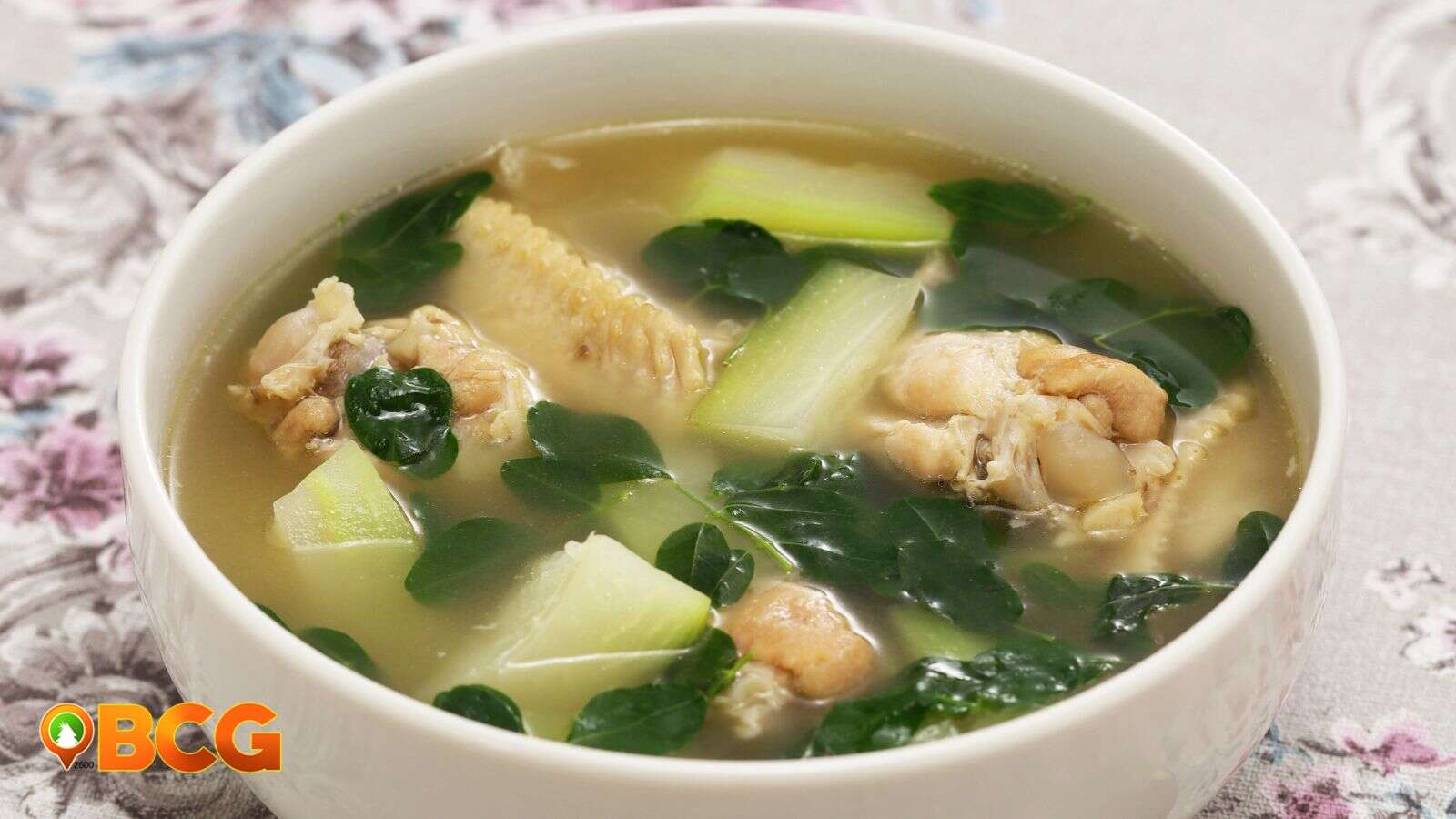
Tinolang Manok with Sayote
- 2 pcs. Sayote (peeled and sliced)
- 1 whole chicken (cut into serving pieces)
- 1 small ginger (sliced)
- 3 cloves garlic (minced)
- 2 tbsp cooking oil
- salt and pepper (to taste)
- 1 onion (sliced)
- 4 cups water
- 1 tbsp fish sauce
- malunggay ((optional))
Heat oil in a pan over medium heat. Sauté garlic, ginger, and onion until fragrant and onions are translucent.
Add chicken pieces and cook until browned.
Pour water into the pot and bring it to a boil. Simmer until the chicken is tender.
Add sayote slices and cook for about 5 minutes or until they are tender but still firm.
Add malunggay
Season with fish sauce, salt, and pepper. Adjust the seasoning according to your taste.
Serve hot and enjoy the comforting Tinolang Manok with Sayote.
(adsbygoogle = window.adsbygoogle || []).push({});
Ginisang Sayote with Sardines
Ginisang Sayote with Sardines is a quick and flavorful meal that pairs the mild, crisp sayote with the rich and tangy sardines in tomato sauce. This dish is a testament to the versatility of sayote and its ability to complement the flavors of various ingredients. It’s a convenient and budget-friendly option for busy weeknight dinners, showcasing the resourcefulness of Baguio’s cuisine.
Ginisang Sayote with Sardines
- 2 pcs. sayote (peeled and sliced)
- 1 can sardines in tomato sauce (you can also use mackerel sardines in oil)
- 1 small onion (sliced)
- 2 cloves garlic (minced)
- 2 tbsp cooking oil
- salt and pepper (to taste)
Heat oil in a pan over medium heat. Sauté garlic and onion until fragrant and onions are translucent.
Add sliced sayote and cook for about 3-5 minutes or until they are slightly tender.
Add sardines in tomato sauce, including the sauce from the can. Stir well to combine.
Season with salt and pepper to taste. Simmer for an additional 5 minutes.
Serve hot with steamed rice for a simple yet satisfying meal.
(adsbygoogle = window.adsbygoogle || []).push({});
Ginisang Sayote Tops
In this simple yet delightful dish, the tender leaves and stems of the sayote are stir-fried to perfection. Sautéed with garlic and onions, Ginisang Sayote Tops is a celebration of freshness and natural flavors. The sayote tops are a testament to Baguio’s lush vegetation, providing a crisp and vibrant addition to any meal. It’s a side dish that adds a touch of Baguio’s greenery to your dining table.
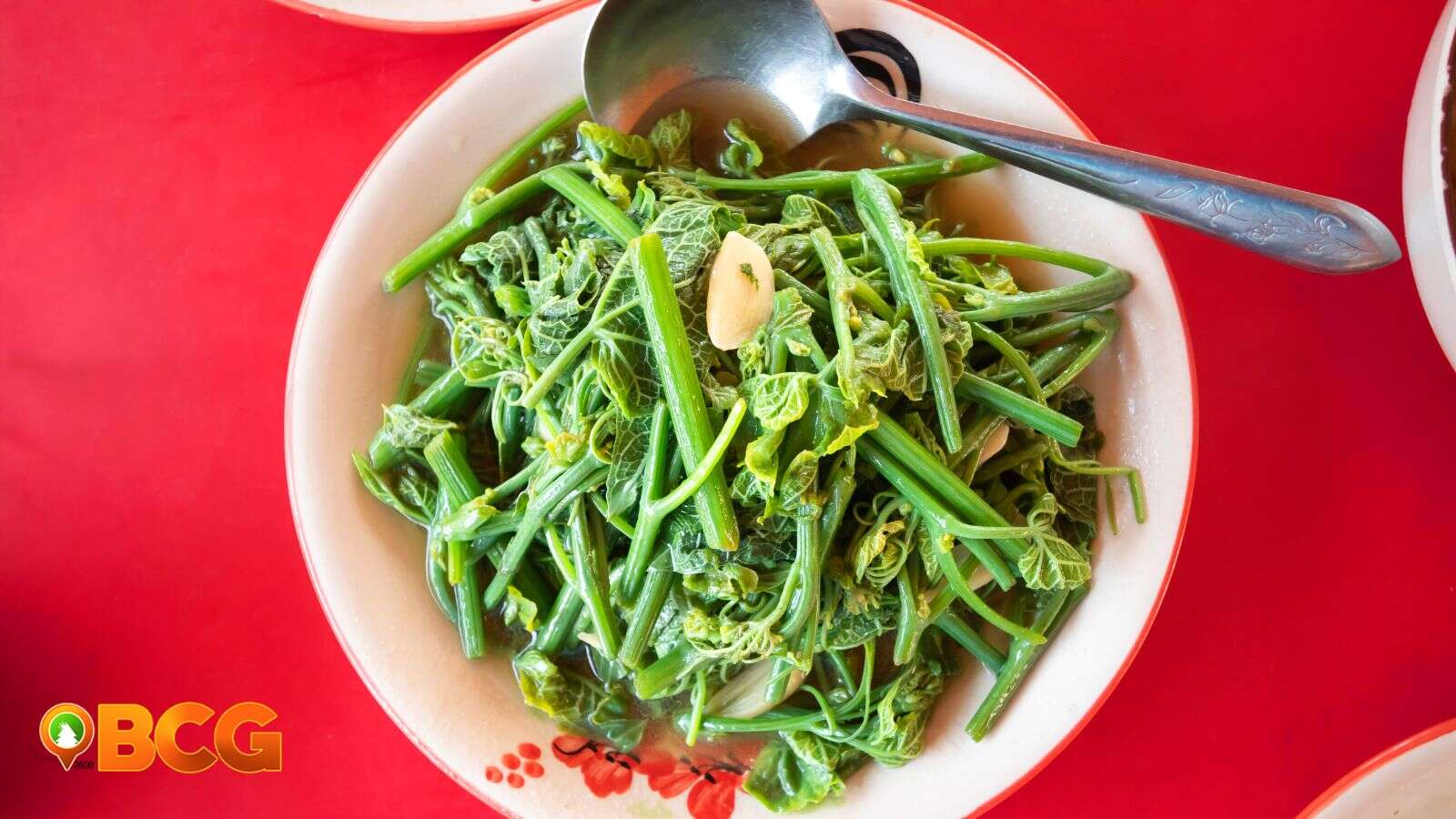
Ginisang Sayote Tops
- 1 bundle sayote tops ((leaves and tender stems only))
- 1 small onion (sliced)
- 2 cloves garlic (minced)
- 2 tbsp cooking oil
- salt and pepper (to taste)
Wash the sayote tops thoroughly and remove the tough stems.
In a pan, heat oil over medium heat. Sauté garlic and onion until fragrant and onions are translucent.
Add the sayote tops and cook for about 3-5 minutes or until they are wilted.
Season with salt and pepper to taste.
Serve as a side dish or as a complement to your main course.
(adsbygoogle = window.adsbygoogle || []).push({});
Sayote Stir-Fry with Shrimp
Sayote Stir-Fry with Shrimp is a colorful and flavorful dish that combines the crunchiness of sayote with succulent shrimp and vibrant bell peppers. The soy sauce and oyster sauce create a savory and umami-rich sauce that envelops the ingredients beautifully. This stir-fry is a delightful showcase of Baguio’s sayote and its ability to shine alongside other ingredients. It’s a dish that bursts with flavors, making it a must-try for anyone visiting Baguio.
Sayote Stir-Fry with Shrimp
- 2 medium sayote (peeled and julienned)
- 200g shrimp (peeled and deveined)
- 1 small onion (sliced)
- 2 cloves garlic (minced)
- 1 pc. red bell pepper (sliced)
- 2 tbsp soy sauce
- 1 tbsp oyster sauce
- 1 tbsp cooking oil
- salt and pepper (to taste)
In a pan or wok, heat oil over medium heat. Sauté garlic and onion until fragrant and onions are translucent.
Add the shrimp and cook until they turn pink and are cooked through.
Add the julienned sayote and red bell pepper to the pan. Stir-fry for about 3-5 minutes or until the vegetables are crisp-tender.
In a small bowl, whisk together the soy sauce and oyster sauce. Pour the sauce over the stir-fry and toss to coat the ingredients evenly.
Season with salt and pepper to taste.
Continue cooking for another minute or until the flavors are well combined and the sayote is cooked to your desired tenderness.
Serve hot with steamed rice for a satisfying and flavorful meal.
Do you find this content useful?

Pancit Canton with Sayote
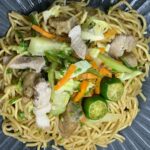
Celebrate the fusion of familiar and fresh flavors with Pancit Canton with Sayote. This delightful Filipino noodle dish marries the rich and savory essence of Pancit Canton with the crisp and mild taste of sayote (chayote). In this culinary adventure, tender chicken strips, vibrant vegetables, and perfectly cooked Pancit Canton noodles come together in a harmony of tastes and textures.
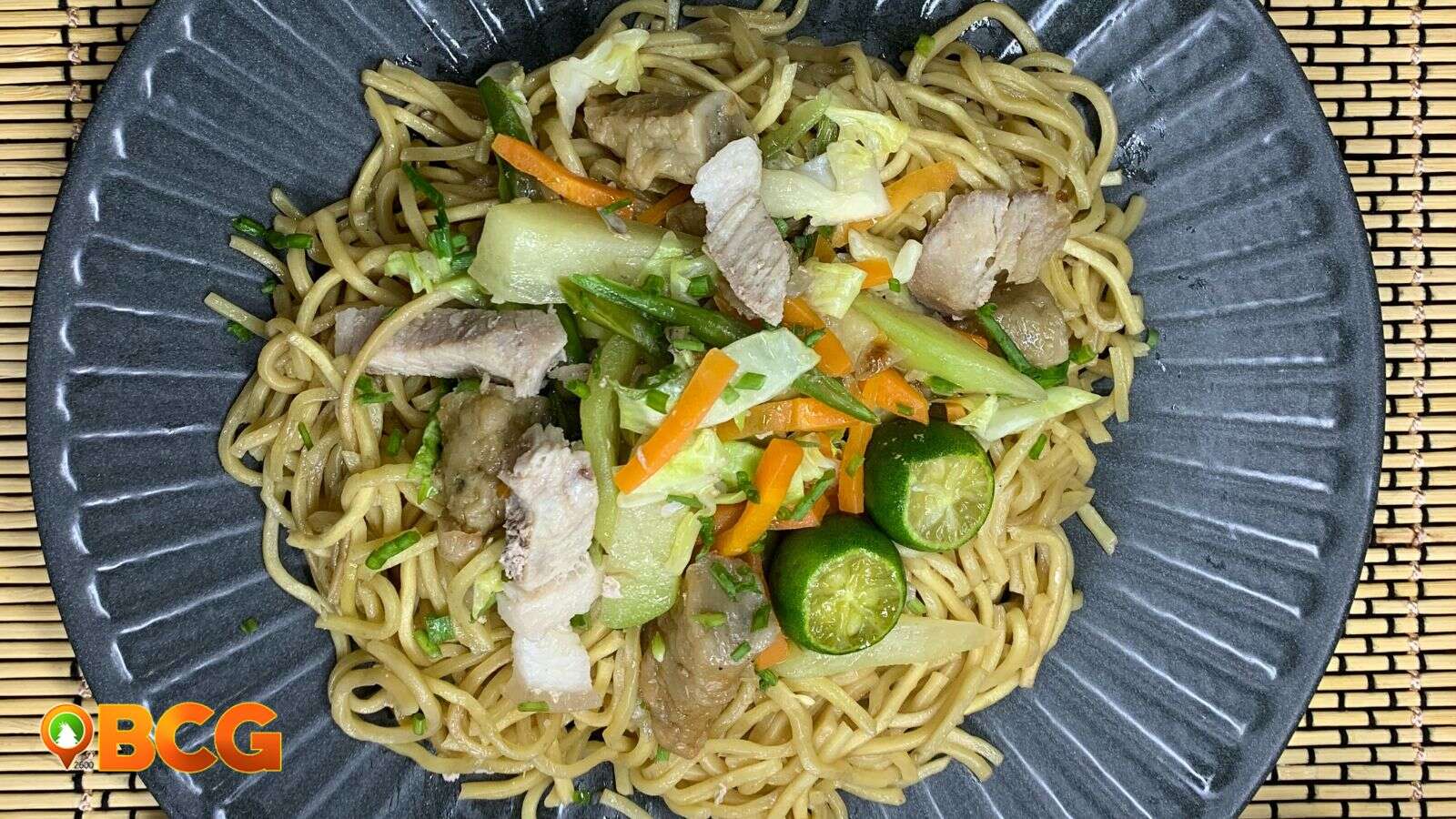
Pancit Canton with Sayote
- 250 grams Pancit canton noodles
- 250 grams pork (thinly sliced (you can use pork belly, pork loin, or pork shoulder))
- 1 medium sayote (peeled, pitted, and julienned)
- 1 small carrot (julienned)
- 1 small onion (chopped)
- 3 cloves garlic (minced)
- 1/4 cup soy sauce
- 2 tbsp oyster sauce
- 1/2 cup pork broth (or water)
- 2 tbsp cooking oil
- Salt and pepper to taste
- Calamansi or lemon wedges for serving ((optional))
Prepare the Pancit Canton Noodles: Follow the same steps as in the previous recipe to boil and cook the Pancit Canton noodles. Drain and set them aside.
In a large pan or wok, heat the cooking oil over medium-high heat.
Add the minced garlic and sauté until fragrant.
Then, add the thinly sliced pork and cook until it's browned and cooked through.
Add the julienned sayote (chayote) and carrots to the pan along with the chopped onion. Stir-fry for about 3-5 minutes or until the vegetables start to become tender.
Pour in the soy sauce and oyster sauce, and mix everything thoroughly to ensure the pork and vegetables are coated evenly.
Add the cooked Pancit Canton noodles to the pan and toss them together with the pork and vegetables to combine the flavors.
Pour in the pork broth (or water) to the pan to help the noodles absorb the flavors. Reduce the heat to medium-low and let the mixture simmer for about 5-7 minutes or until the liquid has been absorbed and the noodles are fully cooked.
Season the Pancit Canton with Pork and Sayote with salt and pepper to taste.
Adjust the seasoning according to your preference. Transfer the dish to a serving platter or individual plates and garnish with calamansi or lemon wedges if desired.
Serve hot and enjoy your delicious Pancit Canton with Pork and Sayote!
As you savor the unique flavors and textures, you’re not only enjoying delicious meals but also celebrating the rich heritage of Baguio’s produce and the resourcefulness of Filipino kitchens. Embrace this versatile vegetable, experiment with these easy recipes, and discover the joy of cooking with the bountiful sayote, especially during Baguio’s rainy season. May your culinary adventures continue to be inspired by the abundance of nature and the warmth of Filipino culture.
MultiplexAd
(adsbygoogle = window.adsbygoogle || []).push({});
For more information, see our complete guide on List of Open Establishments, Operating Hours and Mode of Service.