

 By
By What to See in the Night Sky This December in Baguio City
(adsbygoogle = window.adsbygoogle || []).push({});
December 2025 features three major astronomical events worth watching: the peak of the Geminid meteor shower, the December Full Moon, and the solstice marking the longest night for the northern hemisphere. Several minor meteor showers, conjunctions, and lunar events also occur throughout the month. This guide highlights the major events and provides a full list of the rest.
(adsbygoogle = window.adsbygoogle || []).push({});
Major Astronomical Events
1. Geminid Meteor Shower (Peak: December 14)
The Geminids are the strongest and most anticipated meteor shower of the month. With a Zenithal Hourly Rate of around 120 meteors per hour under ideal conditions, they produce bright and sometimes colorful meteors. The best viewing window is late evening until dawn, with the highest rates occurring just before sunrise on December 14.
2. Full Moon (December 5 at 7:14 a.m.)
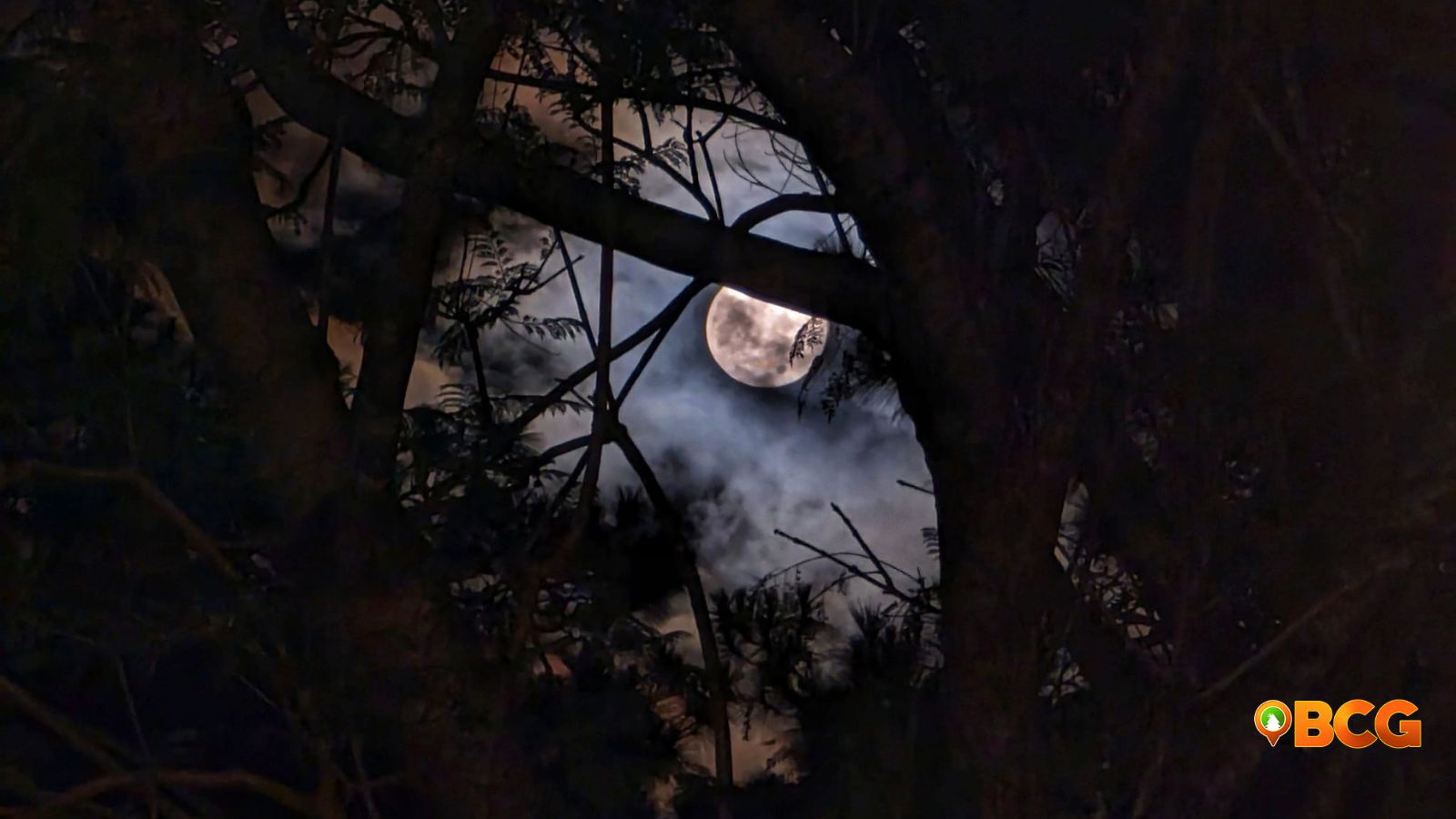
This month’s Full Moon occurs shortly after the Moon reaches perigee, making it appear slightly larger and brighter. The Full Moon is one of the easiest astronomical events to observe and does not require equipment.
3. December Solstice (December 20 at 11:03 p.m.)
The solstice marks the beginning of winter in the northern hemisphere and summer in the southern hemisphere. It is an important astronomical marker that signifies seasonal transition.
How to View the Major Events
How to View the Geminid Meteor Shower
- Choose a dark location with a clear view of the sky.
- Avoid looking at bright lights or phone screens before observing.
- Let your eyes adjust for at least 20 minutes.
- The best time to watch is from midnight to dawn on December 14.
- No telescopes or binoculars are needed.
(adsbygoogle = window.adsbygoogle || []).push({});
How to Locate the Geminid Radiant
- The Geminids appear to radiate from the constellation Gemini.
- Look toward the northeastern sky starting around 9:00 p.m.
- The radiant is near the bright star Castor, one of Gemini’s two twin stars.
- To find it, first locate Orion, which is one of the easiest constellations to identify. Then look above Orion’s raised arm toward two bright stars side by side. These stars are Castor and Pollux, the heads of the Gemini twins.
- Meteors will appear in all parts of the sky, but tracing their paths backward will point toward Gemini.
How to View the Full Moon
- The Full Moon is visible throughout the night.
- No dark sky site or special equipment is required.
- For photography, use lower ISO settings to avoid overexposure.
- A tripod helps stabilize long-exposure shots.
December Solstice
- The solstice is marked by the Sun’s lowest midday position for the northern hemisphere.
- It is not directly observed like a meteor shower but is significant due to the seasonal shift it represents.
(adsbygoogle = window.adsbygoogle || []).push({});
Other Astronomical Events This December 2025
| Date | Event | Details |
|---|---|---|
| December 2 | Comet C/2025 T1 (ATLAS) | Passes perihelion, its closest point to the Sun |
| December 2 | Phoenicid Meteor Shower | ZHR is variable |
| December 4 | Mercury at Dichotomy | Mercury appears half illuminated when viewed through a telescope |
| December 4 | Moon at Perigee | Closest approach at 357,073.343 km at 7:07 p.m. |
| December 6 | December alpha Cassiopeid Meteor Shower | ZHR 2 |
| December 7 | Mercury at Highest Altitude | Best morning visibility for Mercury |
| December 7 | Puppid Velid Meteor Shower | ZHR 10 |
| December 7 | Conjunction of the Moon and Jupiter | Closest approach at 11:47 p.m. |
| December 8 | Close Approach of the Moon and Jupiter | Visible at 1:10 a.m. |
| December 8 | Mercury at Greatest Elongation West | Best time to view Mercury in the morning sky |
| December 8 | Monocerotid Meteor Shower | ZHR 2 |
| December 11 | Chi Hydrid Meteor Shower | ZHR 3 |
| December 12 | Lambda Sculptorid Meteor Shower | ZHR 2 |
| December 17 | Moon at Apogee | Farthest distance at 406,277.011 km at 2:09 p.m. |
| December 20 | December Leonis Minorid Meteor Shower | ZHR 5 |
| December 22 | Ursid Meteor Shower | ZHR is variable |
| December 27 | Conjunction of the Moon and Saturn | Closest approach at 11:34 p.m. |
Moon Phases for December 2025
- Full Moon: December 5 at 7:14 a.m.
- Last Quarter: December 12 at 4:52 a.m.
- New Moon: December 20 at 9:43 a.m.
- First Quarter: December 28 at 3:10 a.m.
(adsbygoogle = window.adsbygoogle || []).push({});
For more information, see our complete guide on Astro-tourism – chasing eclipses, meteor showers and elusive dark skies from Earth.
For more information, see our complete guide on James Webb Space Telescope.