
 By
By PAGASA: Very Strong El Niño May Persist Into First Half of 2027
PAGASA has warned that the Strong El Niño currently affecting the Tropical Pacific may intensify further and persist through the first half of 2027, raising concerns over dry spells, drought, water supply, agriculture, and other climate-sensitive sectors.
The Philippine Atmospheric, Geophysical and Astronomical Services Administration (PAGASA) is urging government agencies, local authorities, affected sectors, and the public to prepare for the possible impacts of an intensifying El Niño.
In a press release issued on September 23, 2026, the state weather bureau said a Strong El Niño is currently active in the Tropical Pacific.
Based on climate models and expert assessments, the phenomenon is expected to intensify into a Very Strong El Niño during the September to December 2026 season. It may then persist through the first half of 2027.
Jump to Article Content
ToggleWhat is El Niño?
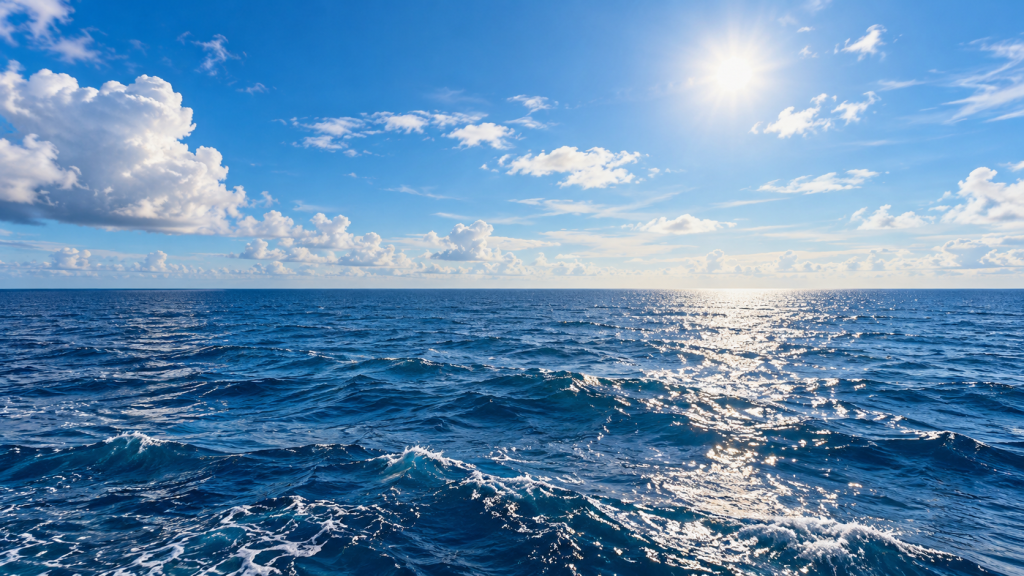
El Niño is the warm phase of the El Niño-Southern Oscillation or ENSO.
It is characterized by unusually warm sea surface temperatures in the Central and Eastern Equatorial Pacific. PAGASA also noted cooler-than-average ocean temperatures over the Philippine Sea.
In the Philippines, El Niño is generally associated with warmer temperatures and below-normal rainfall.
Dry spells and drought may affect key sectors
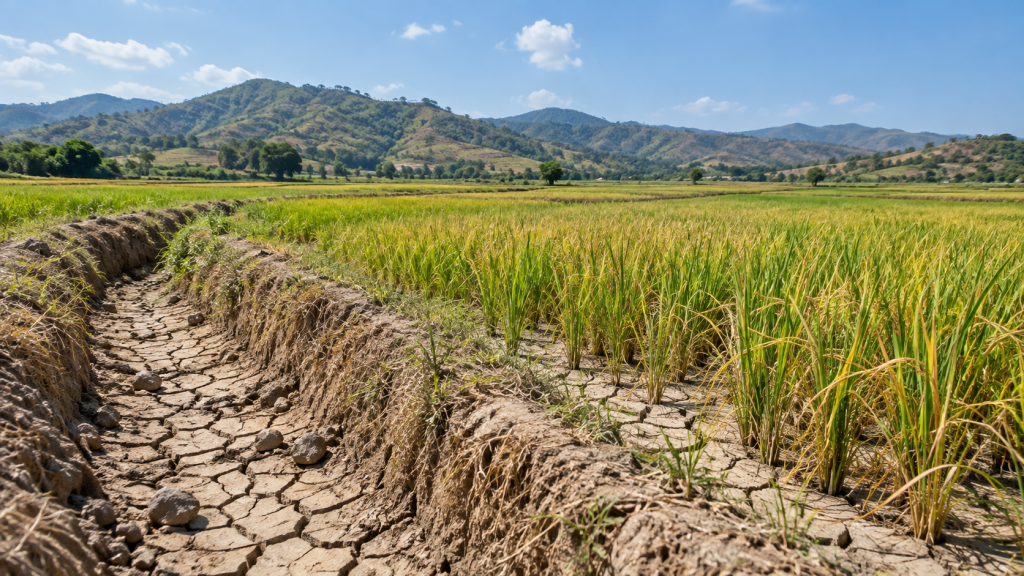
PAGASA warned that prolonged rainfall shortages could increase the risk of serious agricultural dry spells and drought.
These conditions may place additional pressure on:
- Agriculture and food production
- Water resources and supply
- Energy production
- Public health
- Local livelihoods
- The broader economy
Communities and industries that depend heavily on rainfall are being encouraged to prepare early and implement water conservation and other measures to reduce the possible effects.
Heavy rainfall can still occur during El Niño
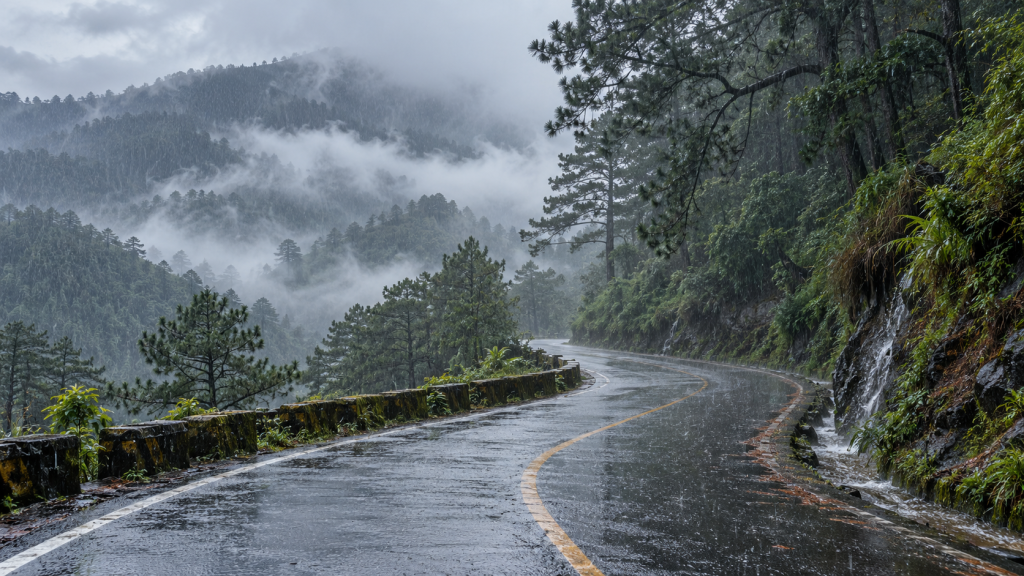
PAGASA clarified that El Niño does not mean rainfall will completely stop.
The Southwest Monsoon or Habagat and active tropical cyclones can still produce periods of heavy rain. Localized above-normal rainfall may also occur, particularly over the western section of the Philippines.
Flooding, landslides, and other rain-related hazards may therefore still occur during individual weather events, even while the country experiences an overall rainfall shortage.
Residents of Baguio City and the Cordillera should continue monitoring localized rainfall warnings and weather advisories. The national El Niño outlook should not be interpreted as a guarantee of continuously dry weather in every location.
Early preparations urged
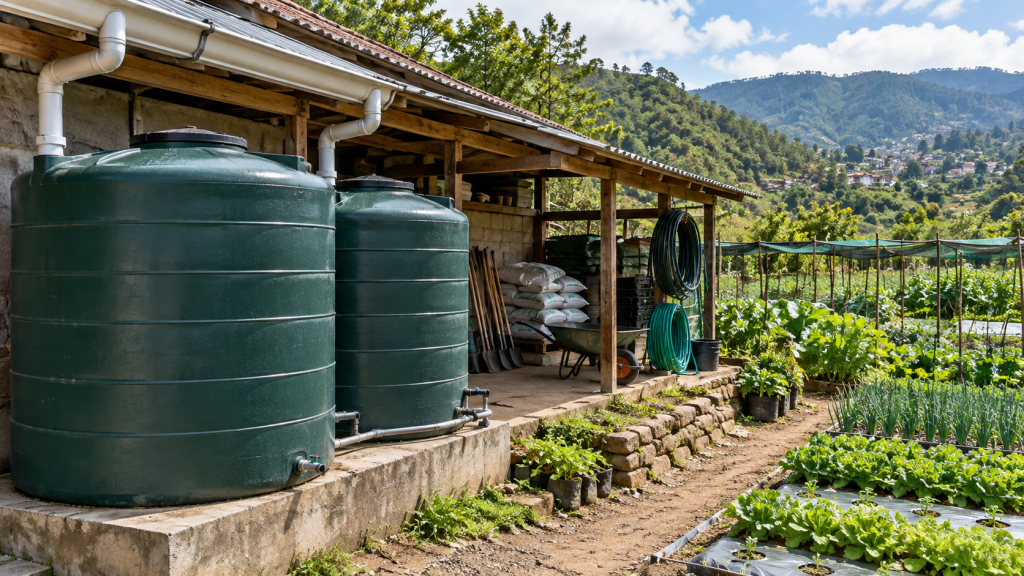
Department of Science and Technology Secretary Renato Solidum Jr. emphasized the importance of using climate information before the full effects of El Niño are felt.
He called on local governments and affected sectors to consider adjusting farming schedules and preparing communities, infrastructure, and essential services in advance.
PAGASA Administrator Dr. Nathaniel Servando said the agency would continue coordinating with national and local government agencies to ensure that science-based forecasts reach communities promptly.
PAGASA will continue monitoring El Niño and issue updates as conditions change.
How other countries are preparing for El Niño
Countries around the world are preparing for different possible effects of the intensifying El Niño.
Some locations face an increased risk of drought, extreme heat, and wildfires. Other areas are preparing for heavy rainfall, flooding, landslides, and coastal hazards.
The World Meteorological Organization has called on governments, humanitarian agencies, and climate-sensitive sectors to use seasonal forecasts and early-warning systems to protect communities and livelihoods.
Although “Super El Niño” is frequently used as an informal description of an exceptionally intense event, it is not part of the WMO’s standardized operational classifications. Official categories include weak, moderate, strong, and very strong.
Indonesia adjusts agricultural plans
Indonesia is preparing for an extended dry period and a delayed rainy season that could affect agricultural production.
The country’s weather agency has advised the agriculture sector to adjust planting schedules and consider crop varieties with shorter growing periods.
Farmers in some drought-affected areas have also used water delivered by trucks to keep their crops irrigated.
Indonesia expects the effects of El Niño to continue into the first quarter of 2027, although conditions may begin to improve once the rainy season becomes established.
Peru prepares for floods and water shortages
Peru is preparing for different hazards across the country.
Coastal communities face the possibility of intense rainfall, flooding, and mudslides. Meanwhile, southern Andean areas may experience drought and water shortages.
Authorities have identified hundreds of vulnerable locations and declared states of emergency in districts facing rain, flooding, or water-supply risks.
Preventive measures are being implemented to reduce the possible effects on communities, infrastructure, agriculture, and fisheries.
Australia strengthens heat and bushfire preparations
Parts of Australia are preparing for hotter and drier conditions that could increase the risks of heatwaves, drought, and bushfires.
In Queensland, preparations include planned burns to reduce vegetation that could fuel fires, maintaining roads and fire lines, monitoring possible fire activity through cameras and satellites, and keeping firefighting equipment and trained personnel ready.
Residents in bushfire-prone communities are also being encouraged to prepare emergency plans and maintain their properties.
California declares state of emergency
On September 21, 2026, California Governor Gavin Newsom proclaimed a state of emergency to accelerate preparations for a potentially historic El Niño season.
The declaration allows the state to mobilize resources ahead of possible heavy rainfall, strong winds, mountain snow, flooding, landslides, debris flows, large waves, and coastal flooding.
California’s preparations include:
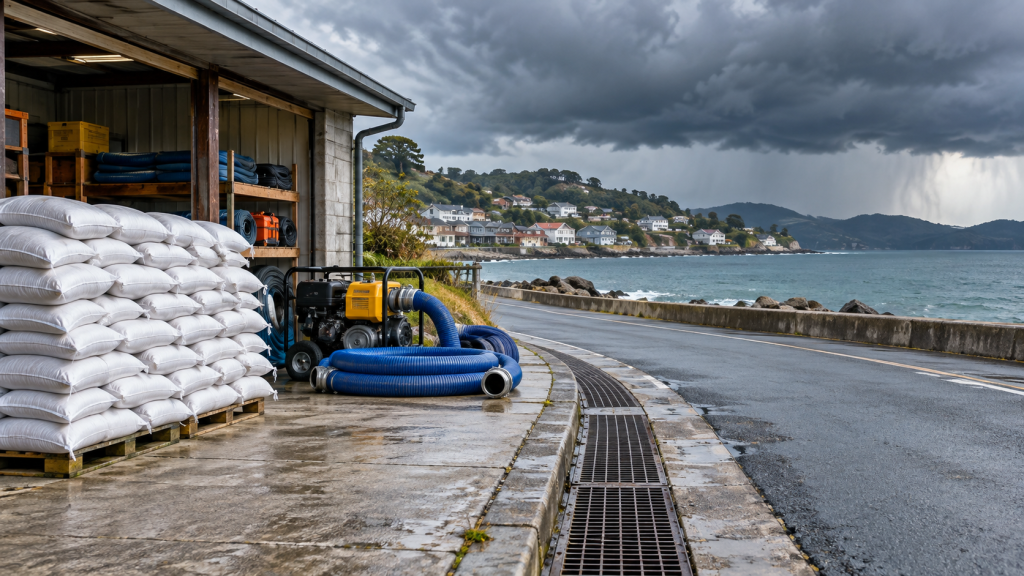
- Staging sandbags, pumps, and other flood-control supplies
- Positioning road-closure, traffic-control, and snow-removal equipment
- Preparing the California National Guard to assist with flood response, search and rescue, engineering, and logistics
- Protecting vulnerable communities, roads, and critical infrastructure
- Accelerating local flood, landslide, and debris-flow prevention work
- Expanding accessible and multilingual information about evacuation, flooding, power outages, and emergency alerts
Residents are also being advised to check their flood risk, clear drains and gutters, prepare emergency supplies and evacuation plans, and register for local emergency alerts.
The declaration is a precautionary measure. El Niño does not guarantee that all of California will experience an unusually wet winter, but it can increase the risk of powerful storms and flooding in the state.
El Niño’s effects differ by location
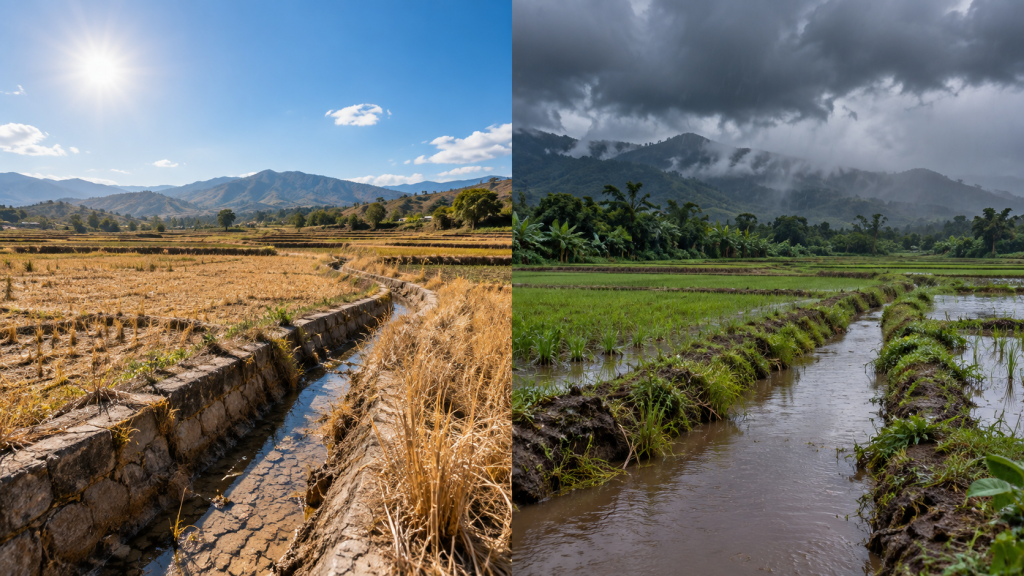
Measures taken in other countries show that El Niño does not produce the same conditions everywhere.
Some areas may experience drought, extreme heat, and wildfires, while others may face intense rainfall, flooding, landslides, and coastal hazards. Its effects can also vary within the same country.
For the Philippines, preparations must account for prolonged rainfall shortages and warmer conditions while maintaining readiness for heavy rain caused by the Habagat, tropical cyclones, and other weather systems.
The public is advised to conserve water and continue following official PAGASA bulletins and local government advisories.
Sources
- DOST-PAGASA: Intensifying “Very Strong” El Niño Persisting Into First Half of 2027
- World Meteorological Organization: Prepare for El Niño
- Reuters: Indonesia Forecasts Delayed Wet Season as Farmers Adjust Planting
- Reuters: El Niño Puts 1.2 Million People at Risk in Peru
- Queensland Government: El Niño in Australia and What It Means for Queensland
- Office of the California Governor: State of Emergency for El Niño Preparedness
For more information, see our complete guide on Philippine coffee industry.
For more information, see our complete guide on A Warmer Amihan? What Baguio Can Expect.
Related: Super El Niño