

 By
By Baguio Charter Day: History, Significance and Celebration Tips
{
“@context”: “https://schema.org”,
“@type”: “BlogPosting”,
“headline”: “Baguio Charter Day: History & Celebration Guide”,
“description”: “Comprehensive guide to Baguio Charter Day on September 1, covering the city’s history, significance of the charter, celebrations and travel tips.”,
“author”: {
“@type”: “Person”,
“name”: “BCGIS”
},
“datePublished”: “2025-08-04”, // adjust to actual publication date
“dateModified”: “2025-08-04”, // adjust if updated
“publisher”: {
“@type”: “Organization”,
“name”: “Baguio City Guide”,
“logo”: {
“@type”: “ImageObject”,
“url”: “https://baguiocityguide.com/wp-content/uploads/2021/03/BCG-website-logo-250×150-3.png”
}
},
“mainEntityOfPage”: {
“@type”: “WebPage”,
“@id”: “https://baguiocityguide.com/baguio-charter-day-history-guide”
}
}
{
“@context”: “https://schema.org”,
“@type”: “FAQPage”,
“mainEntity”: [
{
“@type”: “Question”,
“name”: “When is Baguio Charter Day and is it a holiday?”,
“acceptedAnswer”: {
“@type”: “Answer”,
“text”: “Baguio Charter Day is celebrated every 1st of September. Under Republic Act 6710 it is a special non‑working holiday in the city so residents can take part in commemorative events.”
}
},
{
“@type”: “Question”,
“name”: “When should I book accommodations for Charter Day?”,
“acceptedAnswer”: {
“@type”: “Answer”,
“text”: “Charter Day coincides with the start of Baguio’s peak tourism season. Hotels and homestays fill up quickly, so reserve your lodging several weeks ahead to secure the best rates and locations.”
}
},
{
“@type”: “Question”,
“name”: “What heritage sites can I visit on Charter Day?”,
“acceptedAnswer”: {
“@type”: “Answer”,
“text”: “Guided tours typically include Camp John Hay, Burnham Park, Mines View Park and other historic sites. These walks offer context about Baguio’s pre‑colonial roots and American‑era development.”
}
},
{
“@type”: “Question”,
“name”: “What local foods should I try during the celebration?”,
“acceptedAnswer”: {
“@type”: “Answer”,
“text”: “Popular treats include strawberry taho, ube jam and Benguet coffee. Many cafés along Session Road host live music during Charter Day, making it a great time to sample regional cuisine.”
}
},
{
“@type”: “Question”,
“name”: “Are there environmental activities on Charter Day?”,
“acceptedAnswer”: {
“@type”: “Answer”,
“text”: “Yes. Because Baguio is known as the ‘City of Pines,’ the program often features tree‑planting, clean‑up drives and seminars on sustainable tourism. Participating helps support the city’s long‑term conservation efforts.”
}
}
]
}
Every September 1, the people of Baguio City mark Charter Day, commemorating the moment when this mountain settlement in the Cordillera highlands officially became a chartered city. Far from being a routine civic holiday, the anniversary highlights Baguio’s unique origin story, its transformation into the country’s summer capital, and its continuing evolution as a cultural, educational and environmental hub. This guide explores the history behind the charter, explains why September 1 has been declared a special non‑working holiday, and offers ideas for experiencing the celebration in a meaningful way.
(adsbygoogle = window.adsbygoogle || []).push({});
Origins of Baguio
Long before American surveyors and city planners arrived, the area we now call Baguio was known to indigenous Ibaloi and Kankanaey peoples as Kafagway. Surrounded by mossy pine forests and grasslands teeming with deer, cloud rats and wild pigs, Kafagway was a seasonal grazing and hunting ground rather than a permanent settlement. The Spaniards attempted to establish missions in the region in the mid‑18th century, but the resilient Igorots repelled their incursions and maintained relative autonomy. The name Baguio itself emerged much later; historians trace it to the Ibaloi word bagiw, meaning “moss,” a reference to the lush vegetation found in the high‑altitude valley.
American Vision and the City Beautiful
The modern city owes its layout to the American colonial period. Following the Spanish–American War of 1898, U.S. officials sought a cooler administrative center to escape Manila’s tropical heat. A road network was the first challenge: Filipino, Japanese and Chinese laborers carved Kennon Road through steep mountainsides between 1903 and 1905 to connect the highlands to the lowlands. With access secured, civil engineer Daniel Burnham—an advocate of the City Beautiful movement—drew up an urban plan that blended wide streets, green parks and civic spaces. Architect William E. Parsons adapted Burnham’s vision, designing buildings such as The Mansion, which became the summer residence of American governors‑general. The result was a mountain resort town with orderly avenues, public gardens and views of surrounding peaks.
Chartering of Baguio and Republic Act 6710
By the early 20th century, Baguio had developed enough infrastructure—roads, government buildings and a growing population—to warrant formal municipal status. On September 1 1909, the Philippine Commission passed Act No. 1963, converting Baguio from a Benguet municipality into a chartered city. The legislation gave Baguio its own local government and budget, acknowledged its strategic importance as a hill station and tourist retreat, and popularized its nickname, the “Summer Capital of the Philippines.”
Eighty years later, in 1989, the Philippine Congress enacted Republic Act 6710, declaring September 1 of every year as Baguio City Day, a special non‑working holiday to commemorate the charter anniversary. The law allows residents to participate fully in civic programs without work obligations and underscores the day’s significance for local identity and pride.
Why Charter Day Matters
Baguio’s chartering marked a turning point: it signaled local self‑governance, opened the door to urban planning innovations and helped shape the city’s cultural identity. Today, Charter Day serves several purposes:
var stg = new Object(); stg.crt=”5160819556258″;stg.version=”1.05″; stg.id=stg.name=”adgshp-2116434505″; stg.Width=”300px”; stg.Height=”300px”;stg.RefKey=”vowJR94fQJ1014sqYHufbg==”;stg.AutoScrollSpeed=3000;stg.AutoScrollToggle=true;stg.SearchboxShow=false;stg.DiscountedOnly=true;stg.Layout=”squaredynamic”; stg.Language=”en-us”;stg.ApiKey=”5A2A1C2A-0934-49A9-80B0-4EDC3B5C2C51″;stg.Cid=”1737742″; stg.City=”17196″;stg.Currency=”PHP”;stg.OverideConf=false; new AgdDynamic(‘adgshp-2116434505’).initialize(stg);
Historical reflection: Citizens look back on the city’s roots in indigenous cultures and American planning, acknowledging both contributions and challenges. Heritage groups often organize exhibits and lectures about pre‑colonial Kafagway, the construction of Kennon Road and the early American period.
Civic pride: Public officials highlight Baguio’s achievements in education, arts, health care and environmental management. Awards honoring outstanding teachers, artists, entrepreneurs and community leaders are a staple of Charter Day programs.
Tourism promotion: Because the holiday falls at the end of the rainy season, Charter Day ushers in a series of events that draw visitors back to Baguio—markets, cultural performances, gastronomic fairs and eco‑tours.
How Baguio Celebrates Charter Day
While the city government announces an official program each year, common elements include:
Flag‑raising ceremony and thanksgiving service: Early on September 1, local officials, police and civic leaders gather at the Baguio City Hall for a flag‑raising, often accompanied by a thanksgiving mass or ecumenical prayer.
Wreath‑laying and heritage walk: A wreath is laid at the monument of Daniel Burnham or other historical landmarks. Participants may then join a guided heritage walk along Session Road, Burnham Park and The Mansion, revisiting sites tied to the city’s founding.
Civic parade: Schools, government offices and community organizations mount colorful floats and marching bands. Unlike the flower‑covered floats of the Panagbenga festival, Charter Day parades emphasize civic themes—education, history and environmental stewardship.
Cultural shows and exhibitions: Dance troupes showcase Ibaloi, Kankanaey and Gaddang traditions, while art exhibits highlight local painters and weavers. Sometimes Charter Day coincides with the Ibagiw Arts Festival, an annual celebration named after the city’s etymology.
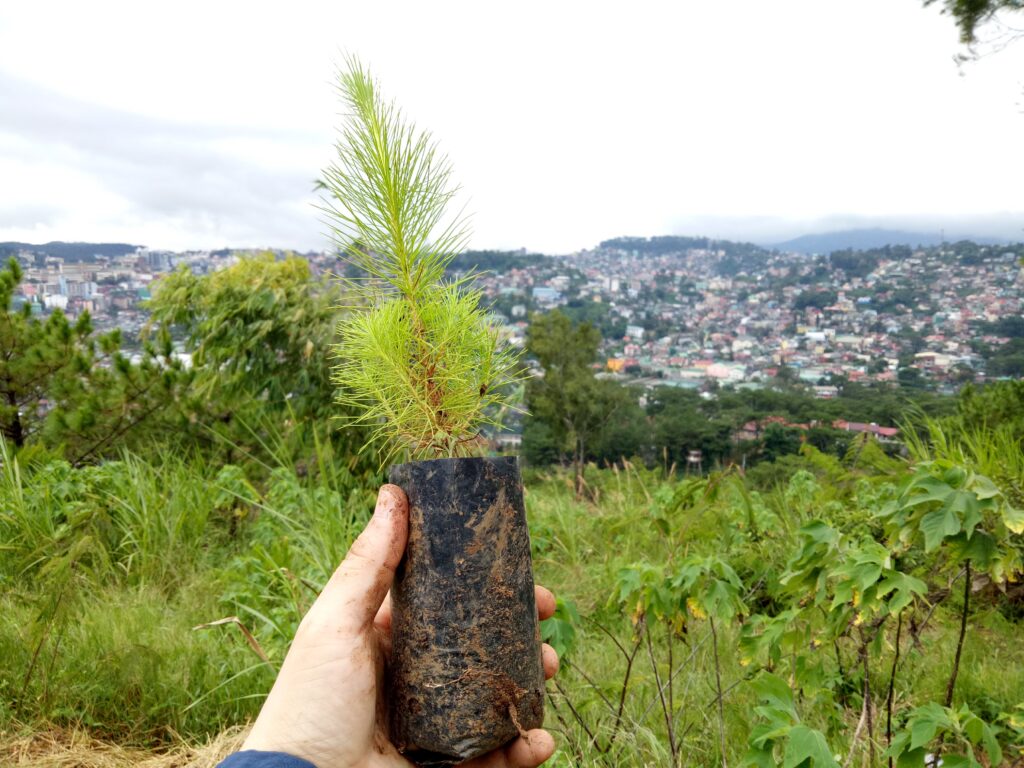
Environmental initiatives: Because Baguio markets itself as a “city within a forest,” Charter Day activities often include tree‑planting, clean‑up drives and seminars on sustainable tourism. These programs align with long‑term efforts to protect the pine forests and watersheds that make the city attractive to residents and visitors.
(adsbygoogle = window.adsbygoogle || []).push({});
Tips for Experiencing Charter Day
If you plan to be in Baguio around September 1, here are some suggestions to make the most of the festivities:
Arrive early and book accommodations: Charter Day falls at the beginning of the city’s peak tourism season. Hotels and homestays can fill up quickly, so reserve lodging several weeks ahead.
Join a heritage tour: Several local guides offer walking tours of Camp John Hay, Burnham Park, Mines View Park and other historical sites. These tours provide context about the American period and pre‑colonial history.
Sample local cuisine: After watching the parade or joining the heritage walk, visit a local café or market. Strawberry taho, ube jam and benguet coffee are must‑tries. Charter Day is also a good time to explore Session Road’s restaurants and cafés, many of which host live music during the holiday.
Support eco‑initiatives: Participate in tree‑planting activities or clean‑up drives. Bring reusable water bottles and utensils to reduce waste during events. Purchase locally made crafts to support artisans.
Check official announcements: The city government typically releases a detailed schedule of activities in August. Follow the City Environment and Parks Management Office and Baguio Public Information Office on social media for updates on venues, traffic advisories and health guidelines.
Looking Ahead
Baguio’s Charter Day is more than a commemoration of a political act; it embodies the city’s continuing journey—rooted in indigenous heritage, shaped by colonial history and striving toward sustainable urban living. By learning about its origins and engaging with its culture, visitors and residents alike can appreciate why the city in the clouds remains a cherished destination and a proud community.
(adsbygoogle = window.adsbygoogle || []).push({});
For more information, see our complete guide on Philippine Independence Day.