

 By
By WHO Advocates for Increased Taxes on Unhealthy Products
The World Health Organization (WHO) is calling on governments to strengthen taxes on sugary drinks and alcoholic beverages, warning that weak tax systems leave these products too affordable while societies bear the costs of preventable disease and injuries.
The organization issued the call on January 13, 2026, alongside two global tax reports. It reinforced its push in a September 30, 2026 update on health taxes, highlighting lessons from countries including the Philippines.
Why WHO is pushing for higher taxes
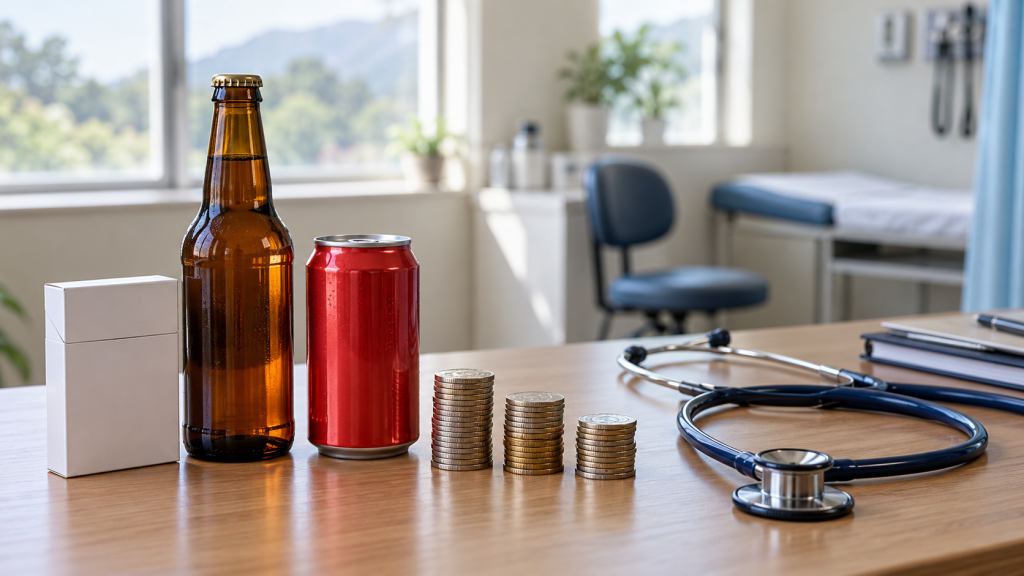
The policy aims to reduce consumption by making health-harming products less affordable. WHO says taxes on sugar-sweetened beverages can raise prices and reduce purchases. They can also encourage manufacturers to reduce the sugar content of their products.
Regular consumption of sugary drinks is associated with weight gain, obesity, type 2 diabetes and dental cavities. Alcohol carries a different set of risks, including liver disease, several cancers, dependence and injuries such as road crashes.
These concerns form part of the wider burden of noncommunicable diseases, or NCDs. These generally long-lasting conditions include heart disease, cancer, chronic respiratory disease and diabetes. WHO estimates that NCDs caused at least 43 million deaths in 2021, representing 75% of deaths unrelated to the pandemic that year.
Existing taxes often fall short
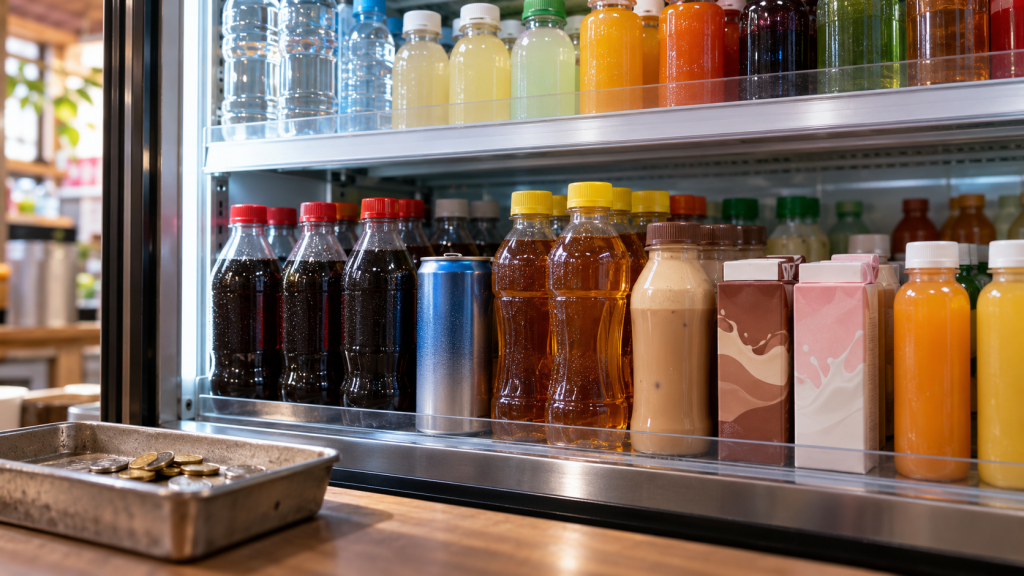
WHO’s January announcement reported that at least 116 countries tax sugary drinks and at least 167 tax alcoholic beverages. However, it identified gaps in coverage, with products such as sweetened milk drinks and ready-to-drink coffees and teas escaping taxation in many countries.
In its September update, WHO put the global median excise-tax share for a comparable carbonated sugary drink at just 2.4% of its retail price. It also reported that sugary drinks became more affordable between 2022 and 2024 in 62 countries, compared with 34 where they became less affordable.
Affordability depends on incomes as well as prices. Tax increases that fail to keep pace with inflation and income growth can lose their effect over time. WHO is therefore calling for regular adjustments and broader coverage of comparable products.
The beverage reports use country-reported data with a July 31, 2024 cut-off. Their findings should be understood as a global assessment using that data, rather than a record of every tax change made since then.
What the “3 by 35” initiative means
WHO launched its “3 by 35” initiative on July 2, 2025. It calls for tax increases that raise the real prices of tobacco, alcohol and sugary drinks by at least 50% by 2035, taking each country’s circumstances into account.
“Real prices” means prices adjusted for inflation. The target concerns the resulting product prices; it does not prescribe a uniform 50% tax rate.
The initiative aims to mobilize an additional US$1 trillion in public revenue globally over a decade. WHO says governments can use health-tax revenue to support healthcare, education and social protection. This is a revenue goal, rather than money already collected.
What Mexico’s experience shows
Mexico introduced a tax of one peso per litre on drinks with added sugar in January 2014. An observational study published in The BMJ in 2016 estimated that purchases of taxed beverages were 6% lower on average during 2014 than the level expected without the tax, reaching a 12% reduction by December.
The study measured household purchases in urban areas. It provides evidence of changes in buying behaviour, rather than a direct measurement of reductions in diabetes or other diseases.
Why this matters in the Philippines
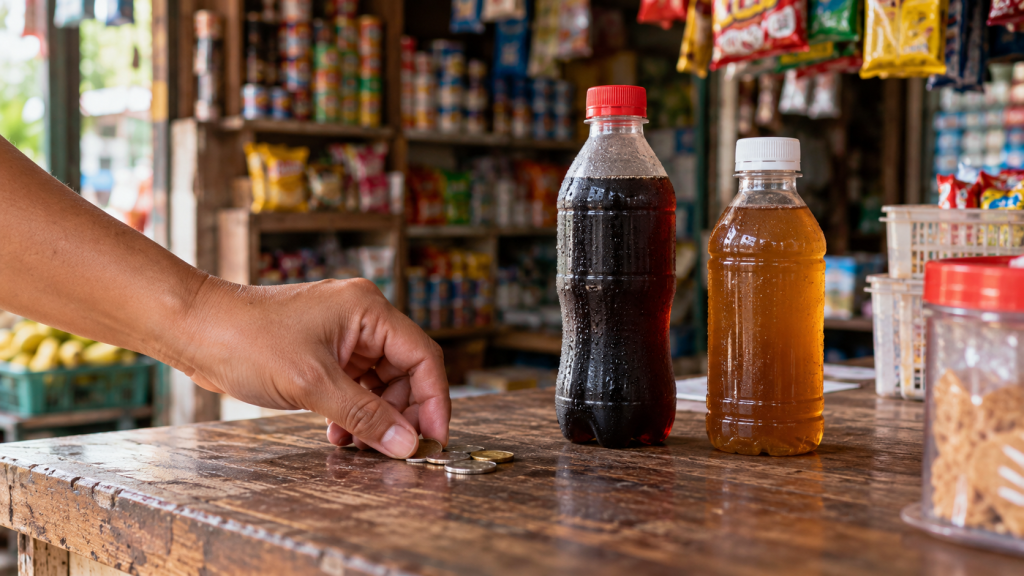
The Philippines already has experience with health taxes. The TRAIN Law introduced excise taxes on covered sweetened beverages, with rates of ₱6 or ₱12 per litre depending on the sweetener used. A January 2025 Bureau of Internal Revenue ruling restated these categories and their exemptions.
WHO’s September 2026 update also highlighted how the Philippines linked higher tobacco taxes to financing universal health coverage, with tax reform operating alongside other tobacco-control measures.
For readers in Baguio and elsewhere in the country, WHO’s recommendation is a call for governments to review tax policy. It does not itself impose a new Philippine tax or establish a new retail price for drinks. Any domestic change would depend on action by Philippine authorities.
Source/s:
- WHO: Cheaper drinks will see a rise in noncommunicable diseases and injuries, January 13, 2026
- WHO: Fifteen years of tobacco tax reform show countries can make harmful products less affordable, September 30, 2026
- WHO: WHO calls on countries to tax sugar-sweetened beverages to save lives, December 13, 2022
- WHO: Alcohol fact sheet, June 28, 2024
- WHO: Noncommunicable diseases fact sheet, September 25, 2025
- WHO: WHO launches bold push to raise health taxes and save millions of lives, July 2, 2025
- WHO: The 3 by 35 Initiative
- Colchero et al.: Beverage purchases from stores in Mexico under the excise tax on sugar sweetened beverages: observational study, The BMJ, January 6, 2016
- BIR Ruling No. 018-2025, January 7, 2025