

 By
By Tariffs and Ties: Trump and Marcos Jr. Seal a Landmark U.S. Philippines Trade Deal
Washington, D.C., July 22, 2025 – In a high‑profile White House meeting, U.S. President Donald Trump and Philippine President Ferdinand “Bongbong” Marcos Jr. unveiled a trade agreement that reshapes economic relations between the two nations.
(adsbygoogle = window.adsbygoogle || []).push({});
Trump described the meeting as a “beautiful visit” on his social media platform and declared, “The Philippines is going OPEN MARKET with the United States, and ZERO Tariffs. The Philippines will pay a 19% Tariff.”
This arrangement means that all American goods can enter the Philippine market free of duties, while products exported from the Philippines will face a 19 percent import tax in the United States. Marcos, the first Southeast Asian leader welcomed by Trump during his second term, emphasized the alliance by calling the U.S. the Philippines’ “strongest, closest, most reliable ally.”
What the Tariff Terms Mean
According to officials familiar with the deal, the 19 percent U.S. tariff is a negotiated outcome that avoids a harsher 20 percent levy previously floated by the Trump administration. The Philippines, in return, committed to lifting duties on American products, opening its market to a wide range of U.S. exports from farm goods to machinery.
Sources in Manila noted that Philippine negotiators had been racing to reach a compromise before August 1, when a broad 20 percent tariff would have been imposed on all Philippine exports. Finance Secretary Ralph Recto earlier signaled flexibility, saying that Manila was willing to consider zero tariffs on selected U.S. imports as a gesture of good faith during the talks.
Regional Context and Comparisons
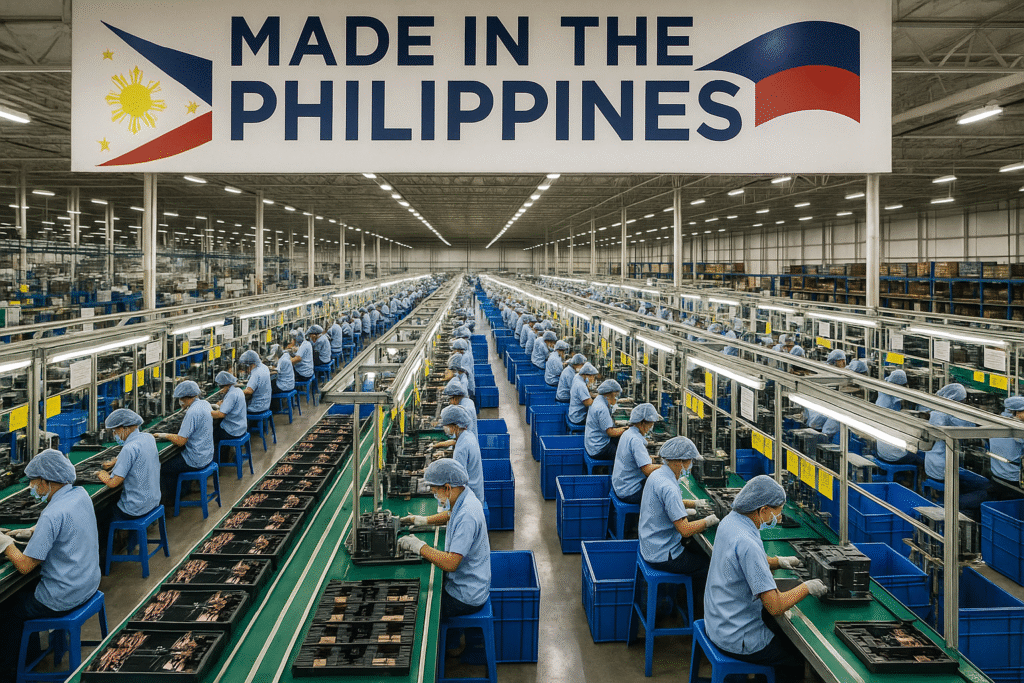
Trade analysts point out that this deal places the Philippines in a similar position to other Southeast Asian economies that recently struck agreements with Washington. Indonesia, for instance, reduced its previously higher tariff burden to 19 percent, while Vietnam secured a rate of 20 percent after its own intense negotiations. By matching Indonesia’s level and staying below Vietnam’s, the Philippines ensures that its exporters remain competitive within the region.
(adsbygoogle = window.adsbygoogle || []).push({});
Key Elements of the Agreement
19% U.S. Tariff on Philippine Goods: Philippine exports to the U.S. will now be subject to a 19 percent import duty, higher than earlier preferential levels but still below the threatened 20 percent.
0% Philippine Tariff on U.S. Goods: The Philippines will remove duties on U.S. products, making American goods more accessible and potentially more affordable in Philippine markets.
Military and Investment Cooperation: Beyond trade, both leaders signaled closer collaboration on defense and encouraged stronger U.S. investment ties, though concrete details are still expected.
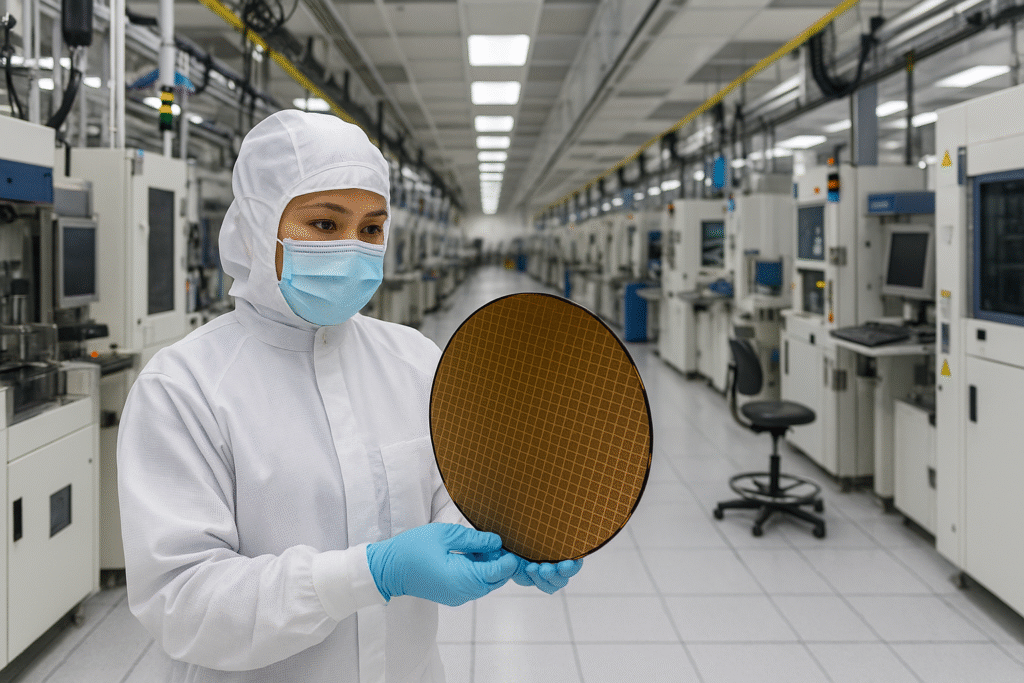
Ongoing Talks: Officials from both sides will continue working on specific terms in the coming weeks, including efforts by Manila to secure continued duty‑free status for critical exports such as semiconductors.
Economic Impact
For Philippine industries, the new tariff means higher costs for shipping electronics, garments, and agricultural products to the United States. Many exporters, however, see relief in knowing that the rate is not as steep as initially feared, and because neighboring competitors face similar tariffs, the competitive landscape remains balanced.
On the Philippine side, removing tariffs on U.S. goods could lower costs for imported grain, technology, and equipment, giving consumers and businesses more options. It may also challenge local producers to adapt to increased competition.
For U.S. businesses, the agreement is expected to open new opportunities. American farmers, manufacturers, and equipment suppliers can now ship goods to the Philippines without paying duties, potentially increasing their market share in Southeast Asia.
(adsbygoogle = window.adsbygoogle || []).push({});
Historical and Strategic Significance
Trade between the two nations has always been shaped by history, from the early days of U.S.–Philippine ties to more recent rounds of economic cooperation. The latest agreement marks a shift from traditional reciprocal trade pacts, where both sides lower barriers equally. In this case, the United States secures protection for its own industries while gaining full access to the Philippine market, while Manila accepts a higher tariff on its exports to avoid more punitive measures.
Strategically, the agreement also signals deeper alignment between Washington and Manila at a time of heightened tensions in the region. The promise of expanded military cooperation and joint economic ventures reflects a renewed commitment to the alliance as both nations navigate the broader dynamics of the Indo‑Pacific.
A Turning Point
This trade deal underscores a transactional approach to diplomacy that carries both opportunities and risks. Whether it ultimately strengthens industries and deepens ties, or creates new challenges, will become clearer in the months ahead. What is certain is that this agreement writes a new chapter in U.S.–Philippine relations, intertwining trade policy with broader strategic goals.
(adsbygoogle = window.adsbygoogle || []).push({});
For more information, see our complete guide on Queen Elizabeth II: a moderniser who steered the British monarchy into the 21st century.