

 By
By Skywatching Wonders: Must-See Astronomical Events in January 2025
(adsbygoogle = window.adsbygoogle || []).push({});
January 2025 promises an exciting lineup of celestial spectacles, from planetary alignments to meteor showers and close encounters between celestial bodies. Whether you’re an avid stargazer or just starting your astronomical journey, this month’s night sky has something for everyone. Here’s a detailed guide to the key events, including insights from PAGASA and other astronomical sources such as NASA.
January 1-31: Planetary Alignment of Venus, Saturn, Neptune, Uranus, Jupiter, and Mars
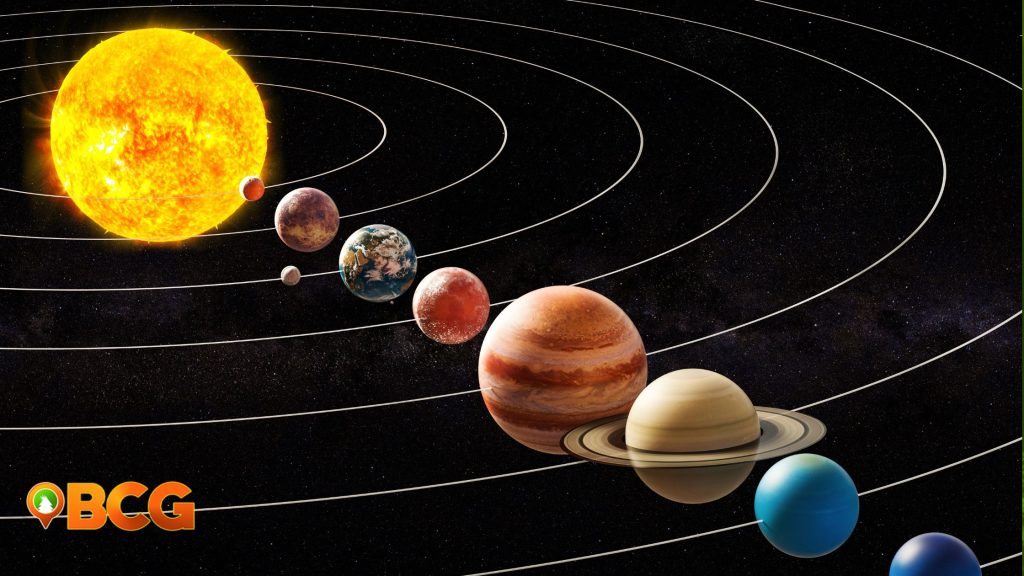
The entire month of January will showcase a stunning planetary alignment involving Venus, Saturn, Neptune, Uranus, Jupiter, and Mars. While some planets will be visible to the naked eye, a telescope will enhance your viewing experience, especially for dimmer planets like Neptune and Uranus.
January 3: Quadrantid Meteor Shower
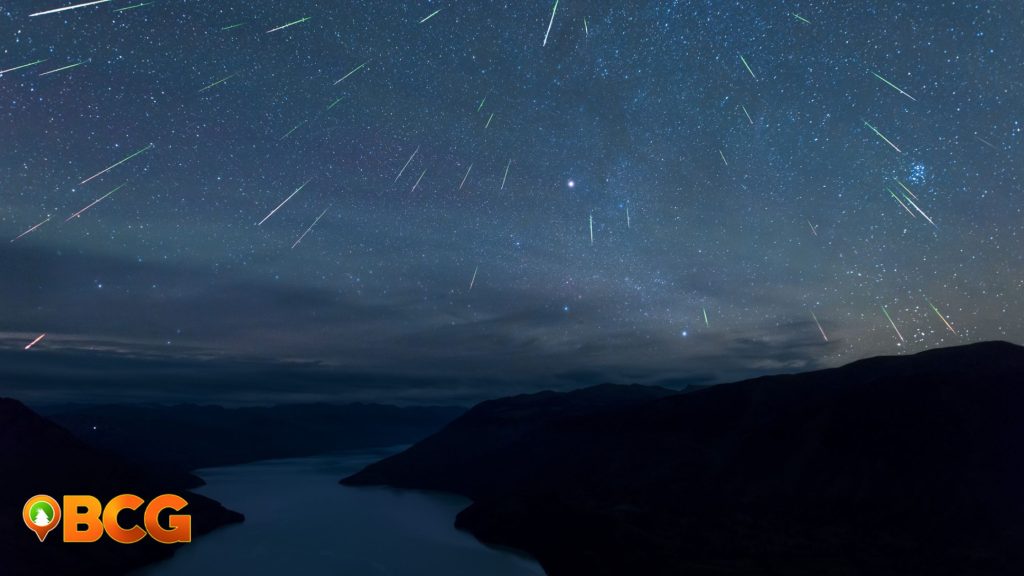
The Quadrantid meteor shower peaks on January 3, offering one of the year’s most prolific meteor displays, with a zenithal hourly rate (ZHR) of up to 120 meteors per hour. Best viewed after midnight, this shower is known for its bright fireballs. The absence of a full moon will make the meteors more visible this year.
January 3-4: Conjunction of the Waxing Crescent Moon and Venus
On the evenings of January 3 and early January 4, the Waxing Crescent Moon will be in conjunction with Venus. Look to the western sky around 11:23 p.m. (January 3) and 12:32 a.m. (January 4) to witness this beautiful pairing.
January 5: Close Approach and Conjunction of the Moon and Saturn
The Moon and Saturn will have a close approach at 12:51 a.m., followed by their conjunction at 1:24 a.m. Saturn’s golden glow will be a delightful sight alongside the Moon in the southern sky.
January 8: Moon at Perigee
At 8:01 a.m., the Moon will reach its closest point to Earth, or perigee, at a distance of 370,198.573 kilometers. This proximity may enhance the appearance of the Moon, making it look slightly larger and brighter.
January 10: Venus at Greatest Elongation East
Venus will reach its greatest elongation east from the Sun at 1:02 p.m. This is the best time to view Venus as an evening star, shining brightly in the western sky after sunset.
January 11: Close Approach and Conjunction of the Moon and Jupiter
The Moon and Jupiter will have a close approach at 5:45 a.m., with their conjunction occurring at 7:13 a.m. Early risers can catch this dazzling duo in the morning sky.
January 12: Venus at Dichotomy and Mars at Perigee
At 10:04 a.m., Venus will reach dichotomy, appearing as a half-lit disk through a telescope. Later, at 9:32 p.m., Mars will reach perigee, its closest approach to Earth. This event is an excellent opportunity for observing Mars’ surface features.
January 14: Conjunction and Close Approach of the Waning Gibbous Moon and Mars
The Moon and Mars will come close at 11:48 a.m., with their conjunction occurring earlier at 11:43 a.m. This celestial pairing will be visible in the morning sky, weather permitting.
January 16: Venus at Highest Altitude and Mars in Opposition
Venus will reach its highest altitude in the evening sky, making it the most prominent planet of the month. Additionally, Mars will be in opposition at 10:39 a.m., directly opposite the Sun, resulting in excellent visibility all night long.
January 19-20: Venus and Saturn Conjunction
The close approach of Venus and Saturn occurs at 1:30 a.m. on January 19, followed by their conjunction at 1:00 p.m. on January 20. This pairing is a must-see for stargazers, with both planets appearing close together in the night sky.
January 21: Moon at Apogee
The Moon will reach its farthest point from Earth, or apogee, at a distance of 404,225.560 kilometers, at 12:54 p.m. This event will make the Moon appear slightly smaller in the sky compared to its perigee earlier in the month.
Viewing Tips
- Plan Ahead: Use apps like SkySafari or Stellarium to locate celestial events and track planetary alignments.
- Pick the Right Location: Choose a spot away from city lights to minimize light pollution.
- Timing is Key: Check local weather forecasts and event times to ensure optimal viewing.
- Gear Up: A telescope or binoculars will enhance your experience for events like planetary alignments and close approaches.
Conclusion
January 2025 is packed with celestial wonders, offering something for everyone, from meteor showers and planetary alignments to lunar perigees and conjunctions. Mark your calendars, set up your viewing gear, and prepare to be amazed by the beauty of the night sky. Clear skies, and happy stargazing!
(adsbygoogle = window.adsbygoogle || []).push({});
For more information, see our complete guide on Astro-tourism – chasing eclipses, meteor showers and elusive dark skies from Earth.
For more information, see our complete guide on James Webb Space Telescope.